LISA HOBBS - News Editor
If you’ve ever driven through Rock Island State Park and wanted to look inside the large brick building located above the Great Falls on Caney Fork River, that is provided by the park free of charge.
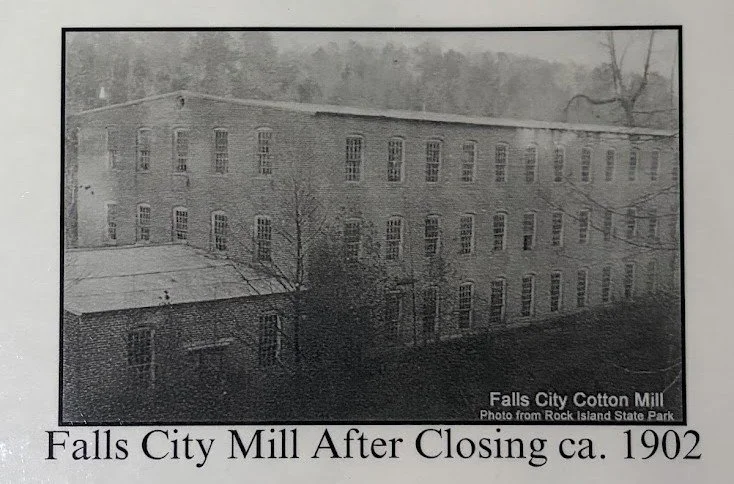
“Hello, everyone,” said Kat Abraham, a Seasonal Interpretive Ranger. “You are standing inside the Falls City Cotton Mill. It was established in 1892. It ran until it flooded in 1902. The mill was started by a guy named Asa Faulkner. We have a picture of him right here. It’s not the best picture, but it was in the 1880’s. He started the mill.”
The 23,000 square feet mill became a major employer in the region and was known for producing heavy cotton sheeting. At its peak, the mill produced 4,000 sheets of cotton per day and employed hundreds of workers.
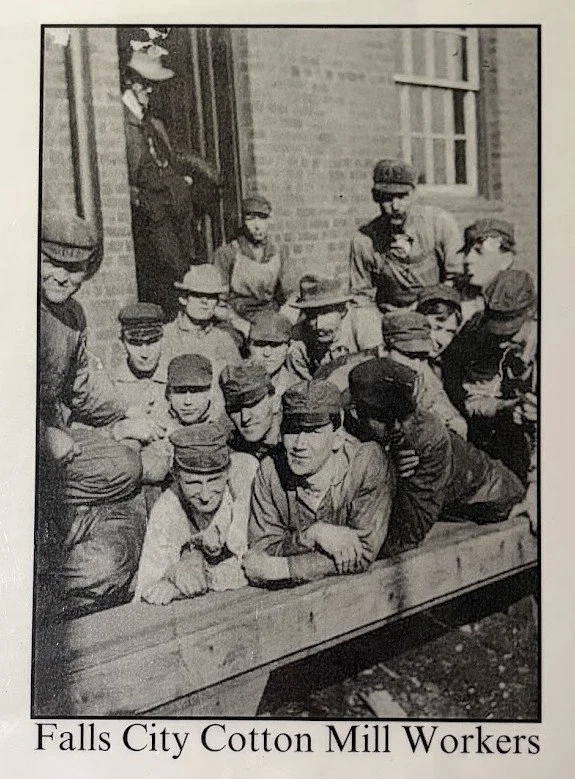
“He died in 1886 after he started the project, but before the mill was completed. It was taken over by his son, Clay Faulkner, and two of his business partners [Jesse Walling and H.L. Walling]. They finally opened it in 1892 and had about 300 people who worked here. Most of those were women and children, because children could go under the looms and reach things easier.”
Across the street from Falls City Cotton Mill is a spring house where Abraham said workers obtain drinking water and the holding pool was used to keep perishable food cold.
“This mill created a whole little city that they called Falls City. Now, I wouldn’t call it much of a city. I’d say it was more a small town. They did have a blacksmith and a post office. This mill drew the community to this area. Unfortunately, in 1902 there was a giant flood. We are on the Caney Fork River. Before the dam was put in in 1917, Caney Fork was a very wild river. About every 10 years or so there would be a giant flood that would come through here.”
According to historical accounts, the flood waters rose rapidly and trapped several of employees inside the mill. Clay went to rescue them and became trapped himself. They were eventually rescued.
The catastrophic flood destroyed the wheelhouse and much of the community’s homes and businesses. The Falls City Mill survived, but the loss of its turbine forced closure.
“If you go hiking down into the gorge, you might still be able to see the water wheel and the turbine housing. Those are still down in the gorge because they are both very heavy and haven’t been removed. After that, they closed the mill down and they sent the looms elsewhere. Since that time, it has been used for different things. For a while, it was used for storage.”
In 1912, the Tennessee Power Company purchased the property. It was acquired by the Tennessee Valley Authority in 1930. It was leased to the Tennessee State Parks and became part of Rock Island State Park. The building was added to the National Register of Historic Places in 1982.
“Now, we offer tours. That’s really the only thing it’s being used for currently. The mill has been approved for restoration. It was about 20 years ago. As you’ve probably noticed, the road is very close to the building. So, before we can restore the mill and make it a larger tourist attraction, we have to move the road somewhere else.”
When asked about the dollar amount attached to its restoration, Abraham stated that she was unsure how much it would cost.
After providing the history of, Abraham provided specifics on how cotton sheeting was created.
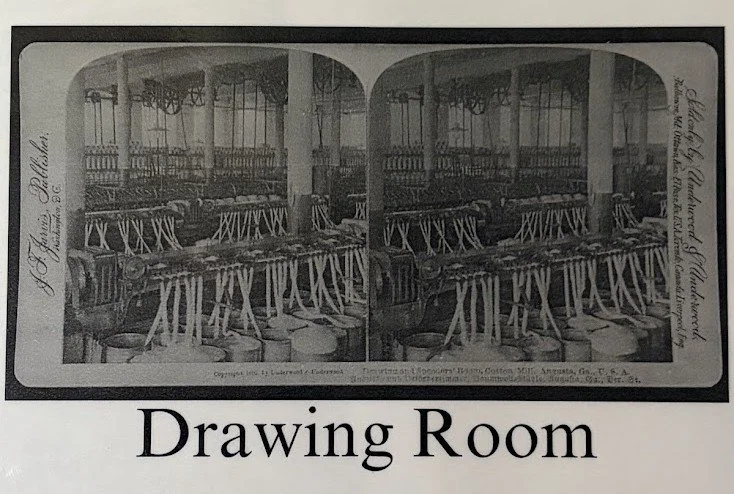
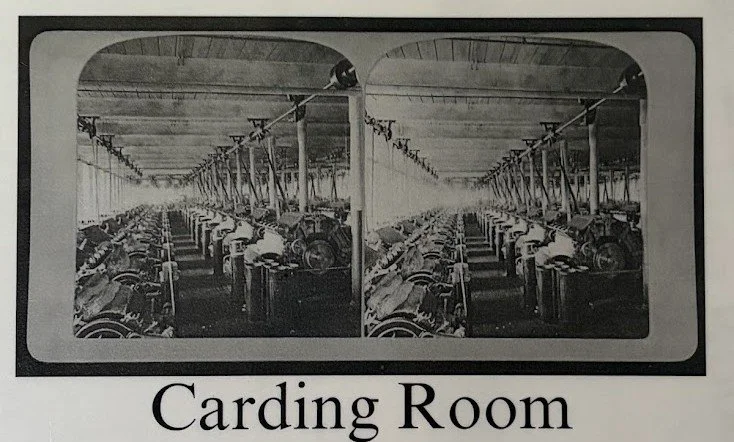
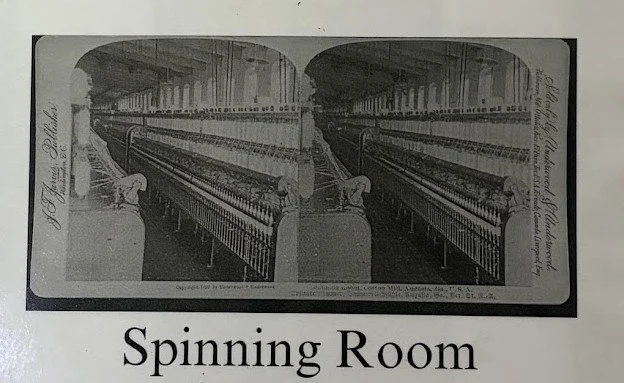
“The mill processed 500-pound bales of cotton. This, obviously, isn’t 500 pounds, but it is a replica of what it would have looked like. When they brought the cotton in here, they would bring them in on mule carts and pulled them in on the top floor. They would cut the bands and cotton would go everywhere. They began the process of sifting through it. It would go through what’s called the carting process.”
She demonstrated a smaller version of that process with a replica.
“After a few other processes, the cotton would get to the looms. Unfortunately, we don’t have any of the original looms. After the flood, they sent the looms to other production facilities. These things were really, really loud. I read somewhere that one loom was as loud as a chainsaw and they had a whole bunch of them running in this building. So, it would have been really, really loud in here.”
Abraham says she offers a peek into the mill on Saturdays. Due to its condition, sightseers are restricted to a small platform at the entrance, so space is limited. Individuals are asked to sign up on Rock Island State Park’s website.