
LISA HOBBS – News Editor
When temperatures dip down below freezing, it’s time to start thinking about the special needs of outdoor pets.
Animals are just as susceptible to the cold as a human wearing a coat. If it’s cold to you, it’s probably cold to your pet. If they can be brought indoors during freezing temperatures, that is ideal.
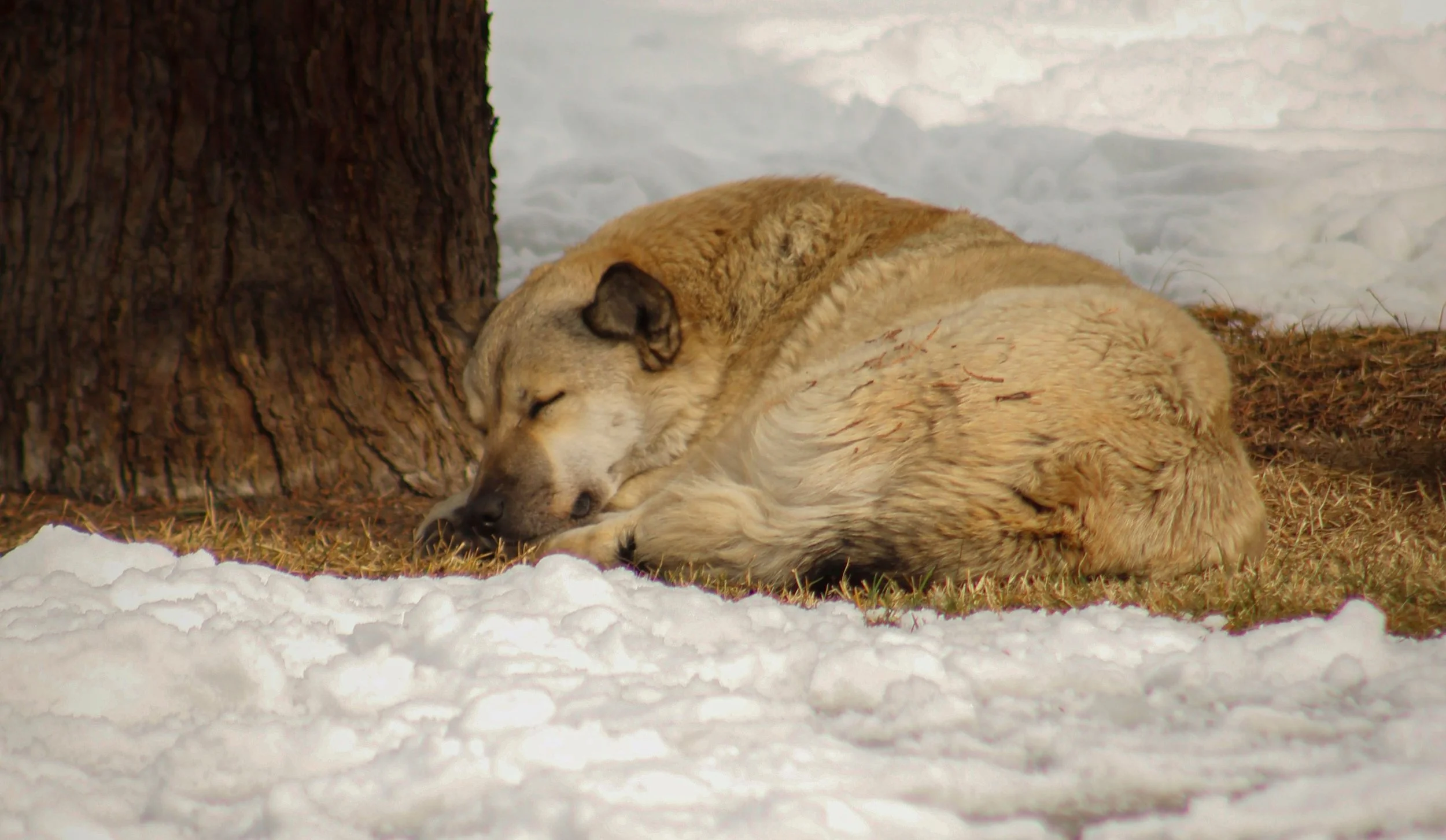
If pets cannot be brought indoors, additional care needs to be provided to protect them prolonged temperature drops. Outdoor pets face a higher risk of hypothermia or frostbite.
“Dogs and cats will need proper shelter, such as an insulated dog/cat house with dry bedding to block wind and moisture,” says Warren County Animal Control and Adoption Center manager Jeff Tubb. “They need proper shelter all year long, but even more so in the winter months.”
Use bedding, such as a thick layer of straw, in their houses so your pet can use it as insulation. Ensure that they have access to fresh water at least twice a day. Increase their food intake, because animals kept outdoors during the winter will require more calories to maintain their body condition.
Signs that a pet is too cold includes shivering, whining, lethargy, and seeking shelter.
While caring for your pet year-round is important, the winter months pose a serious threat and special attention is needed to protect them.